Back

Making room for innovation in tendering

9 tips for a succesful tender process

image of Spark employee

Eric Verberkmoes

Innovation and tendering can be a difficult combination. The process often leaves little room for innovation. By designing first and tendering afterwards, innovation has a better chance of succeeding. By identifying the needs of all stakeholders and designing a specific solution independently, you create room for better products.

Early prototyping and validation help reduce risks. And because all bids are based on the same design, they can be compared directly. But what is the way to success? Here are nine tips for encouraging innovation in tendering processes and maintaining control over both the process and the outcome
Tip 1: Identify what is really needed

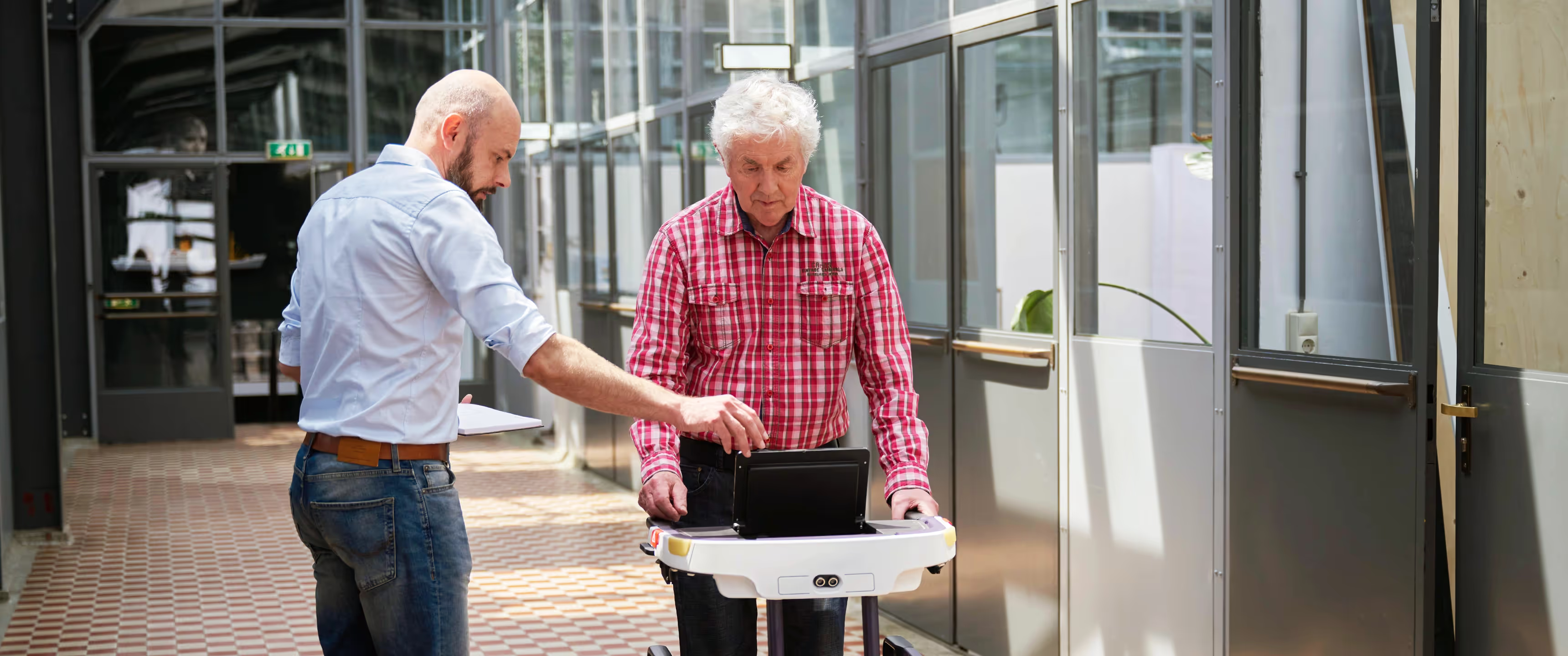
Consider the requirements of allstakeholders, including those who are not the client or end user. Avoidunnecessary complexity by distinguishing clearly between essential requirementsand nice-to-haves.

‍

Tip 2: Design independently and specifically

An independent design partner has no stakein the tender and looks beyond the interests of any one party. By designing forwhat is really needed and making design choices clear early on, you can createthe right product for the brief.

‍

Tip 3: Take the lead on the design

Define what the right solution should be.An independent design partner can help make the wider impact of design choicesclear, including their effects on usability, cost, lifespan and maintenance.

‍Tip 4: Make the impact of requirementstangible

‍

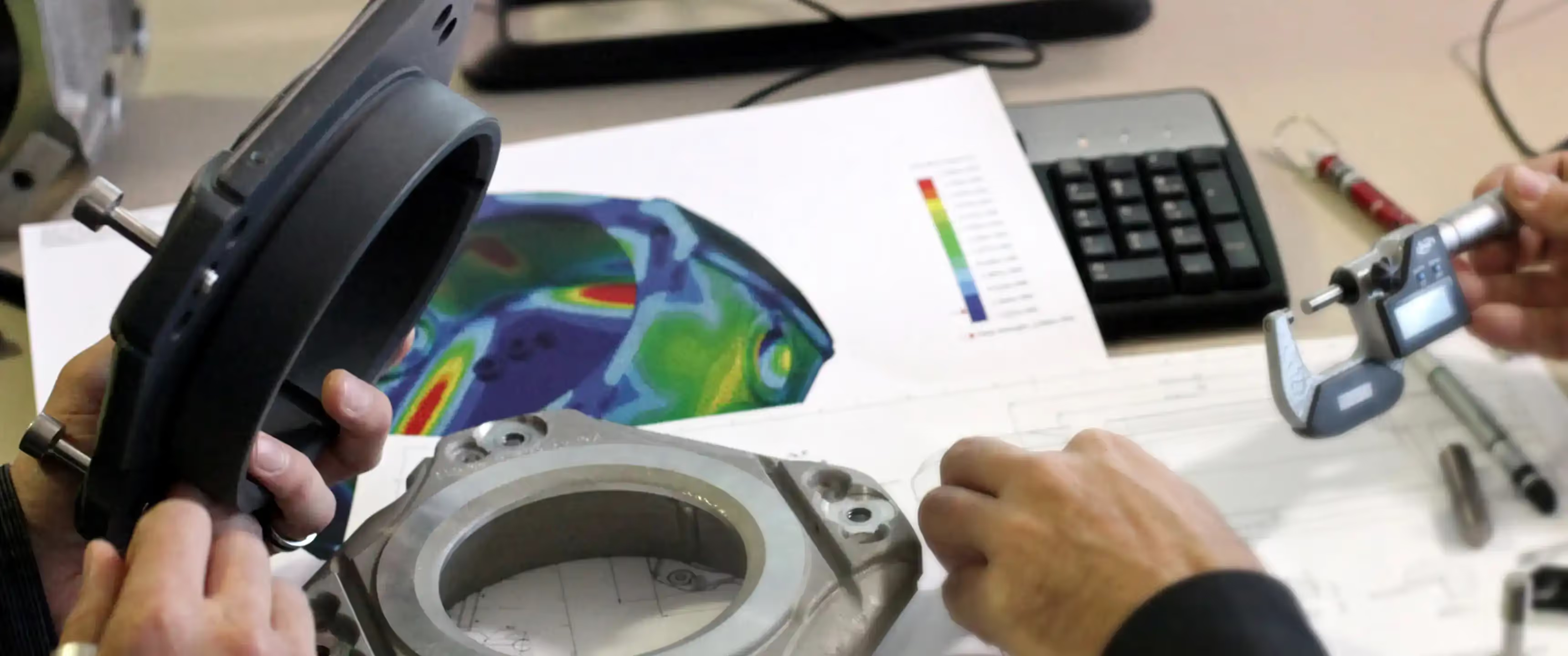
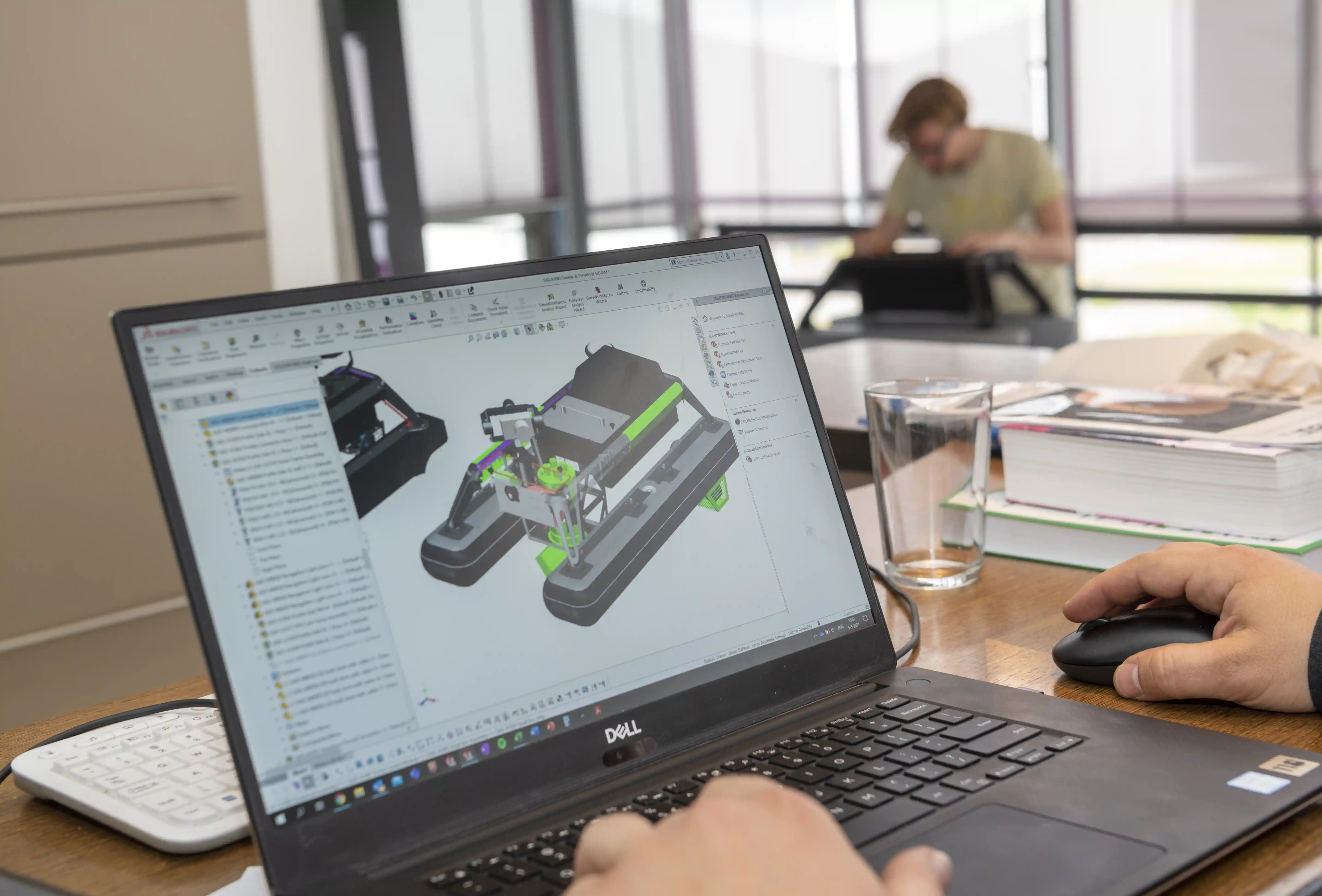
Translating abstract requirements intodesign solutions makes it clear whether they will deliver the intended result.This allows requirements to be adjusted early to achieve the best outcome.

‍

Tip 5: Consider costs over the product’s lifetime

Consider costs over the product’s entirelifetime. The lowest purchase price is not always the best starting point. Asmall increase in upfront cost can lead to a more durable and reliable productthat needs less maintenance and lasts longer.

‍

Tip 6: Test before you tender

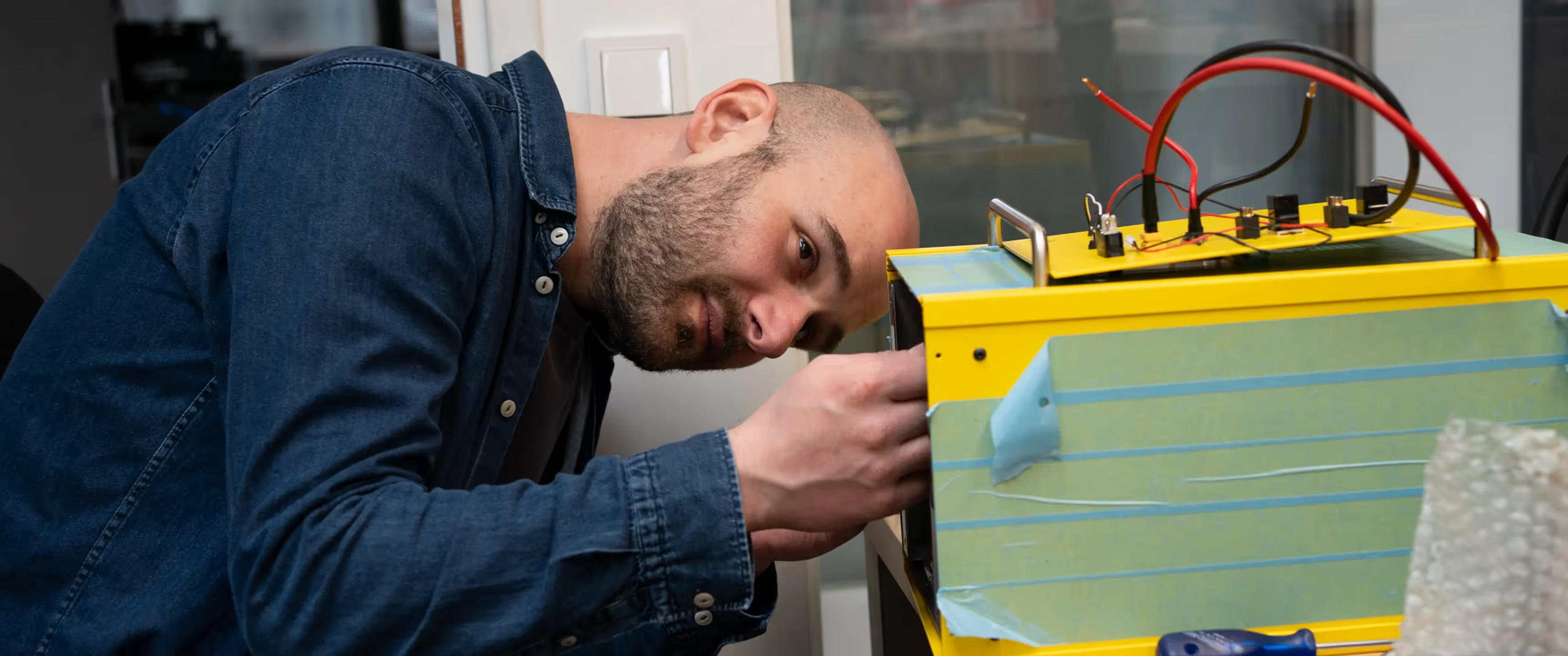
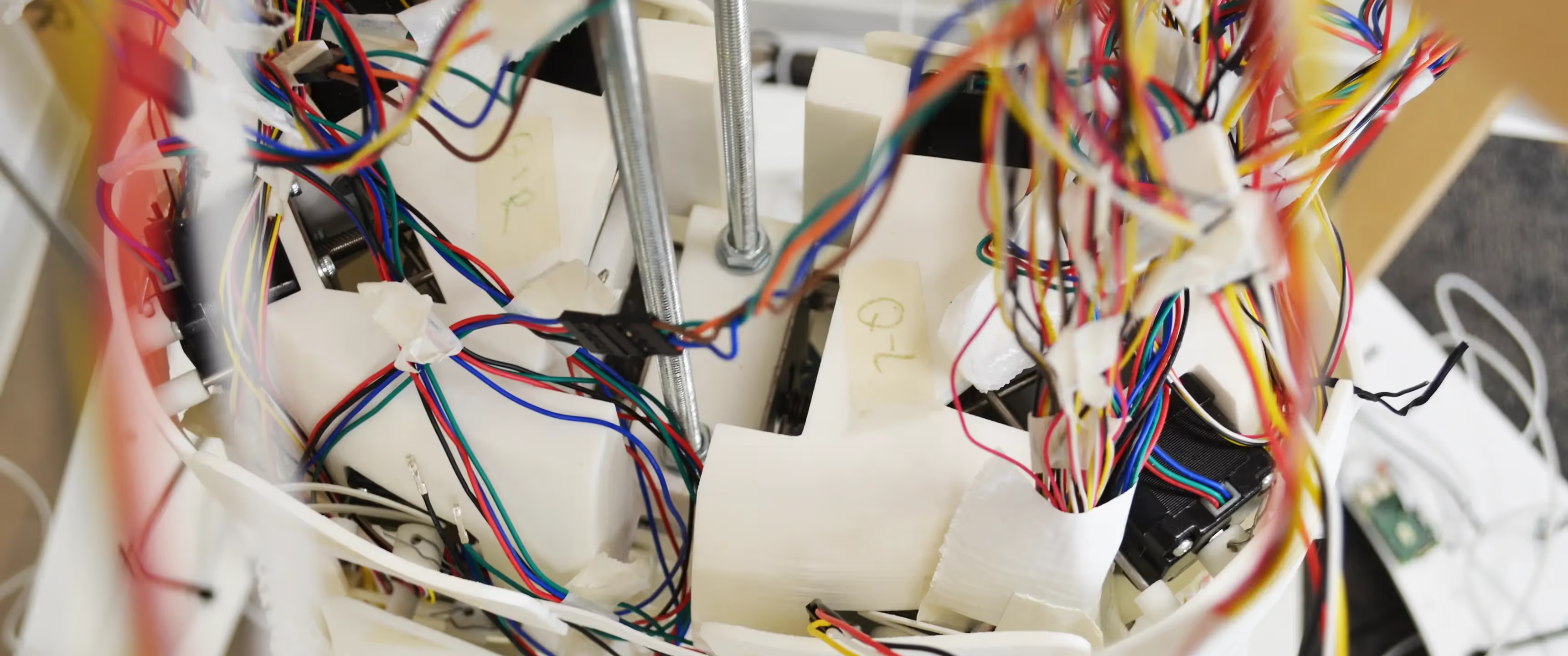
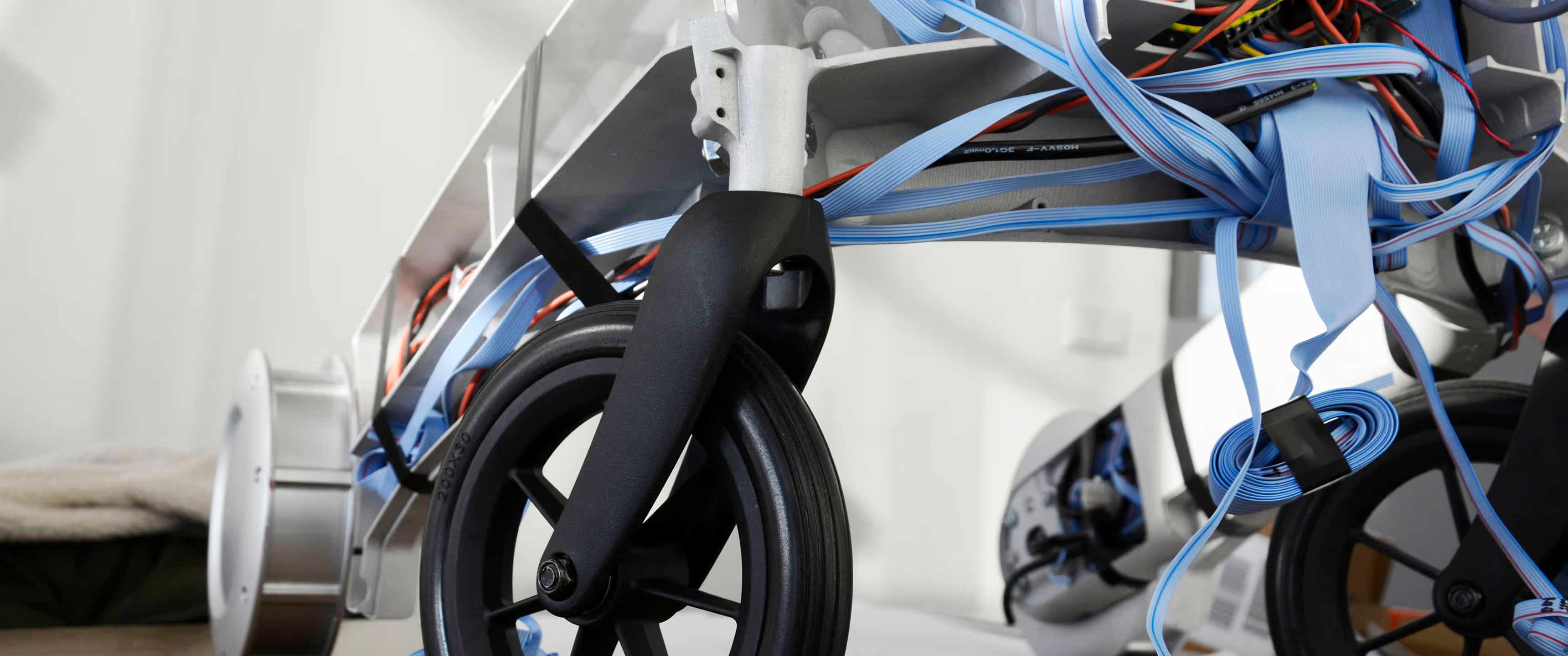
Use models and prototypes to check whetherthe design meets expectations. Refine and improve it where needed. This helpsyou identify and resolve potential problems, reducing risks before the tenderbegins.

‍

Tip 7: Make sure it can bemanufactured

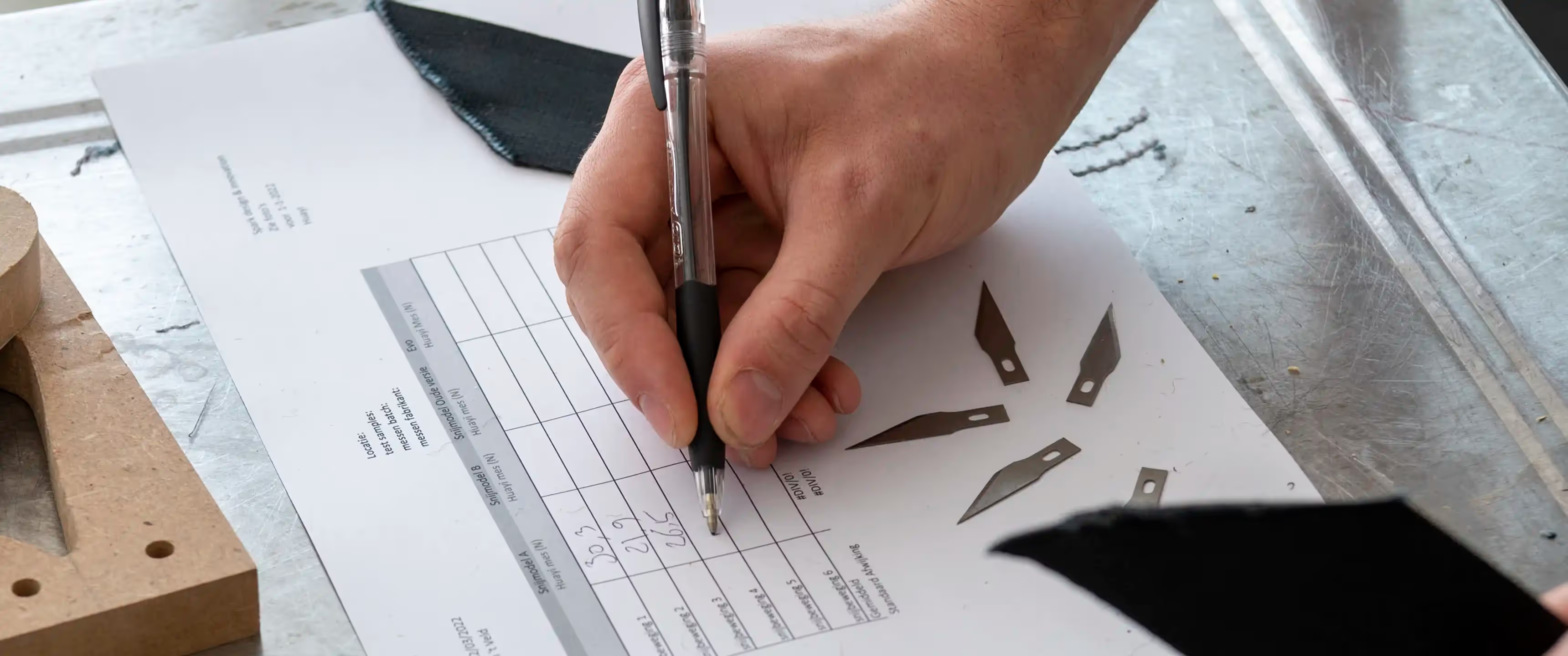
Using widely available materials andproduction methods keeps the design feasible for a broad range ofmanufacturers. This can encourage competitive bids and avoid unnecessarycomplexity and cost.

‍

Tip 8: Make bids comparable

Define the design’s essential features andinclude them clearly in the tender. Use the prototypes as a reference for thetender documents. This gives manufacturers the same concrete basis for theirbids, making them easier to compare.

‍

Tip 9: Give the manufacturer room tocontribute

Define what is essential to the design, but leave room for manufacturers to apply their own knowledge and experience. Thisallows them to optimise production, improve efficiency and reduceimplementation costs and risks.

‍

Other insights

Get in touch

Name

Email

Message

Send

Thank you.

Your submission has been received. We will get back to you as soon as possible.
Oops! Something went wrong while submitting the form. Please try again.