.svg.png)

What not to do when writing product requirements

Back
Sander Havik
Are you involved in new product development? How do you ensure your requirements set you up for success? We have learned to avoid common pitfalls. So when writing requirements, these are 6 mistakes to avoid.
If we at Spark have a product idea on the table, the first thing we try to do is to discover the need behind the idea. If there is no customer need behind it, it is a bad idea. And if there is, there might be even better solutions to this need. So don’t set a solution as a requirement.
It may seem convenient to simply add a little extra to every aspect of your (or your competitors) product: “just make it faster, lighter, easier, cheaper, smaller…”. But it often leads to unrealistic expectations. Instead, prioritize the top three project drivers that really matter the most.
Create a top 3 of features or functionalities that you might be able to do without! Taking only one requirement out of the equation often opens up a whole new world of opportunities for a competitive new product.
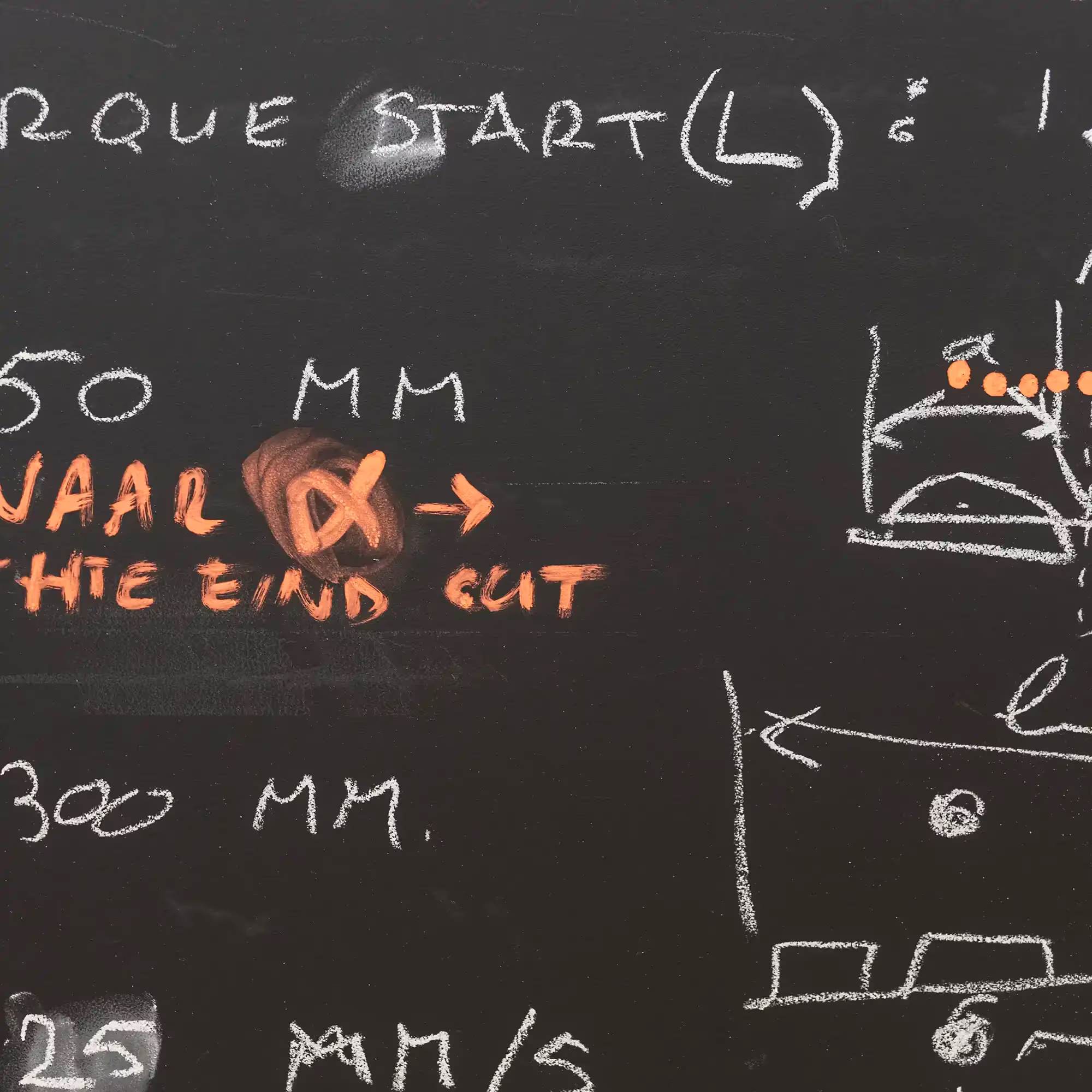


Resist the temptation to specify every detail excessively just to be sure. Over-specification can lead to a false sense of security and missed opportunities. Ensure that the design team understands the broader context and focuses on the bigger picture.
Instead of cramming all features, accessories, future upgrades, into one project, consider conducting a scoping session. This structured method helps define what to prioritize now and what can be addressed later. Describe the planned developments and how they connect in a strategic development roadmap to maintain focus.
The desired outcome often evolves during the design process, so it's essential to remain flexible. Often, you only truly understand what you need once you're in the midst of creating it.
If you avoid these mistakes, the designers output is likely to be faster, cheaper, more outside-the-box where useful and inside where needed. In other words, higher quality. We are happy to discuss this in more detail over a cup of coffee from our own La Marzocco machine (one of our valued clients).





visible-sustainability-Insight%20hero.avif)