Image of design award that this project has won

A to Z development

A stairlift that is built to last

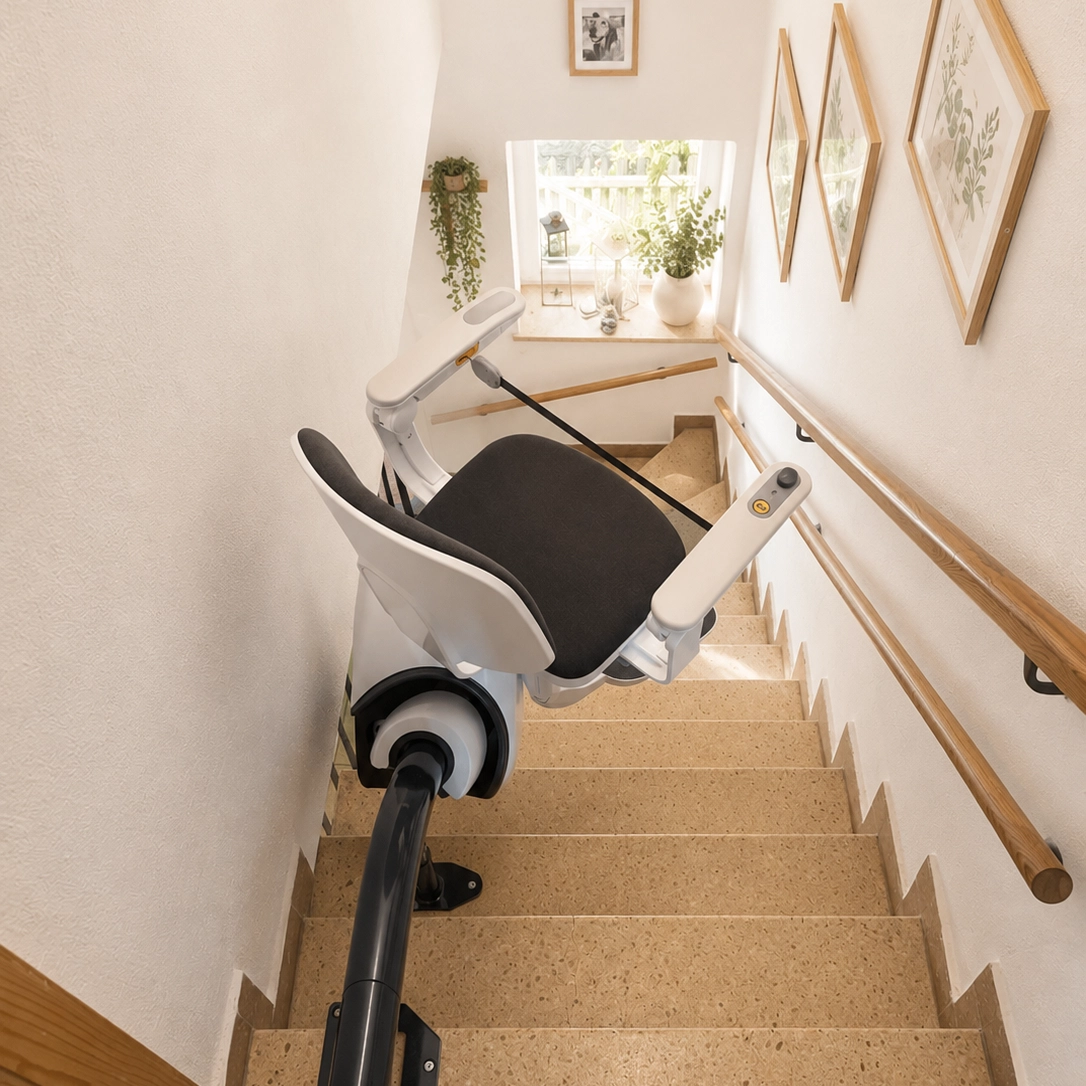
Lehner wanted to expand its portfolio with a stairlift that would give them a competitive advantage. The brief was clear: develop a conventional, robust monorail stairlift, designed for high-volume production. After years of strategic development, design, prototyping and testing, the result is here: Lehner's NEO stairlift.

‍

Designing a stairlift is a big integral puzzle. It is a product that is used every day, so safety and durability are essential. Seemingly small changes, such as centimetres gained between the wall and the lift, or a tighter turning radius can be of big difference.

Robust and safe

Easy installation

Tested for 50.000 cycles
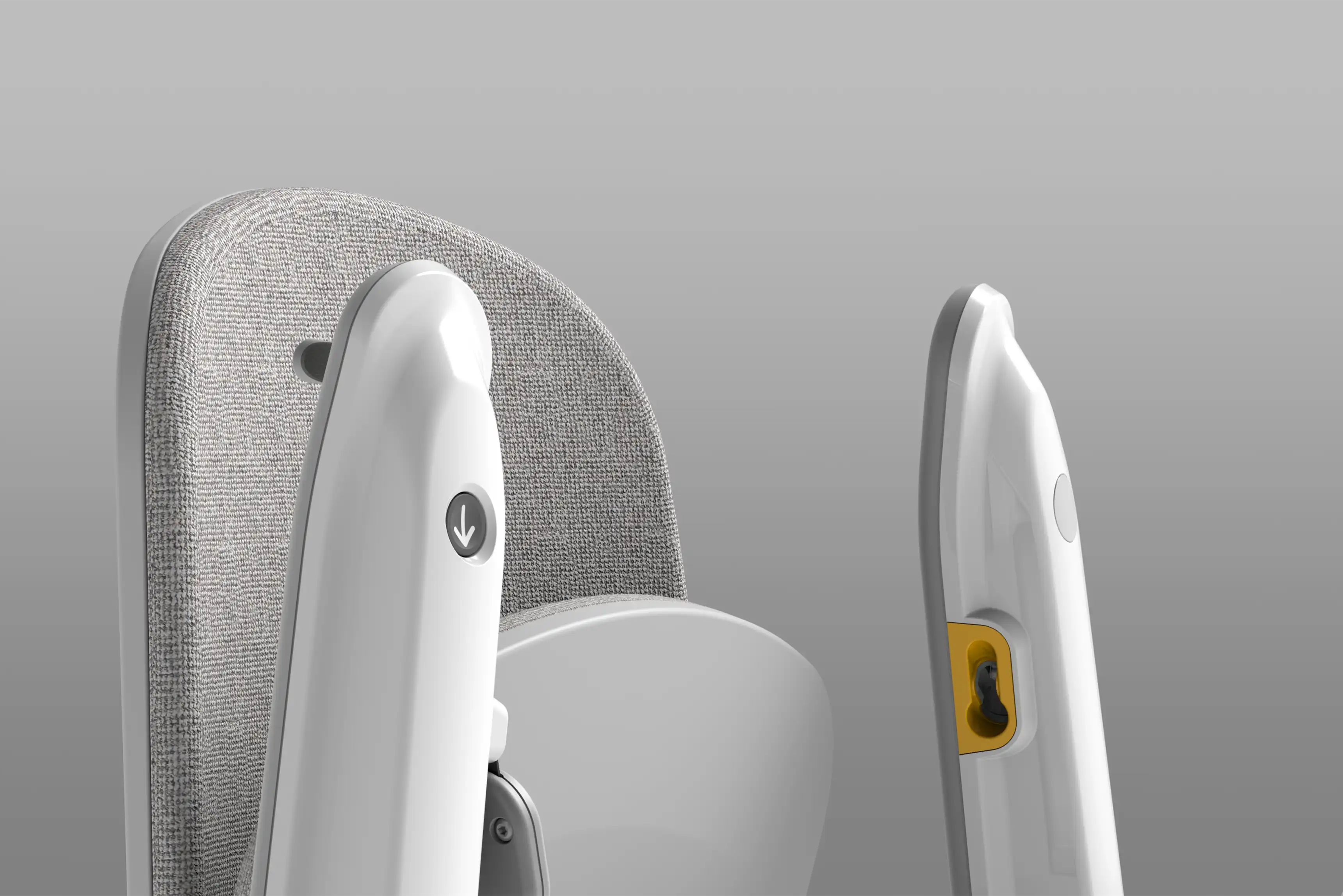
Integral design

One of the biggest challenges in stairlift design is accommodating a wide range of users, different types of homes and the needs of professional users such as installers and caregivers. To design such a complex product, that needs to be safe like a machine, requires an integral approach. From strategy phase to design for manufacturing: we designed with the user, installer and needs of our client Lehner in mind.
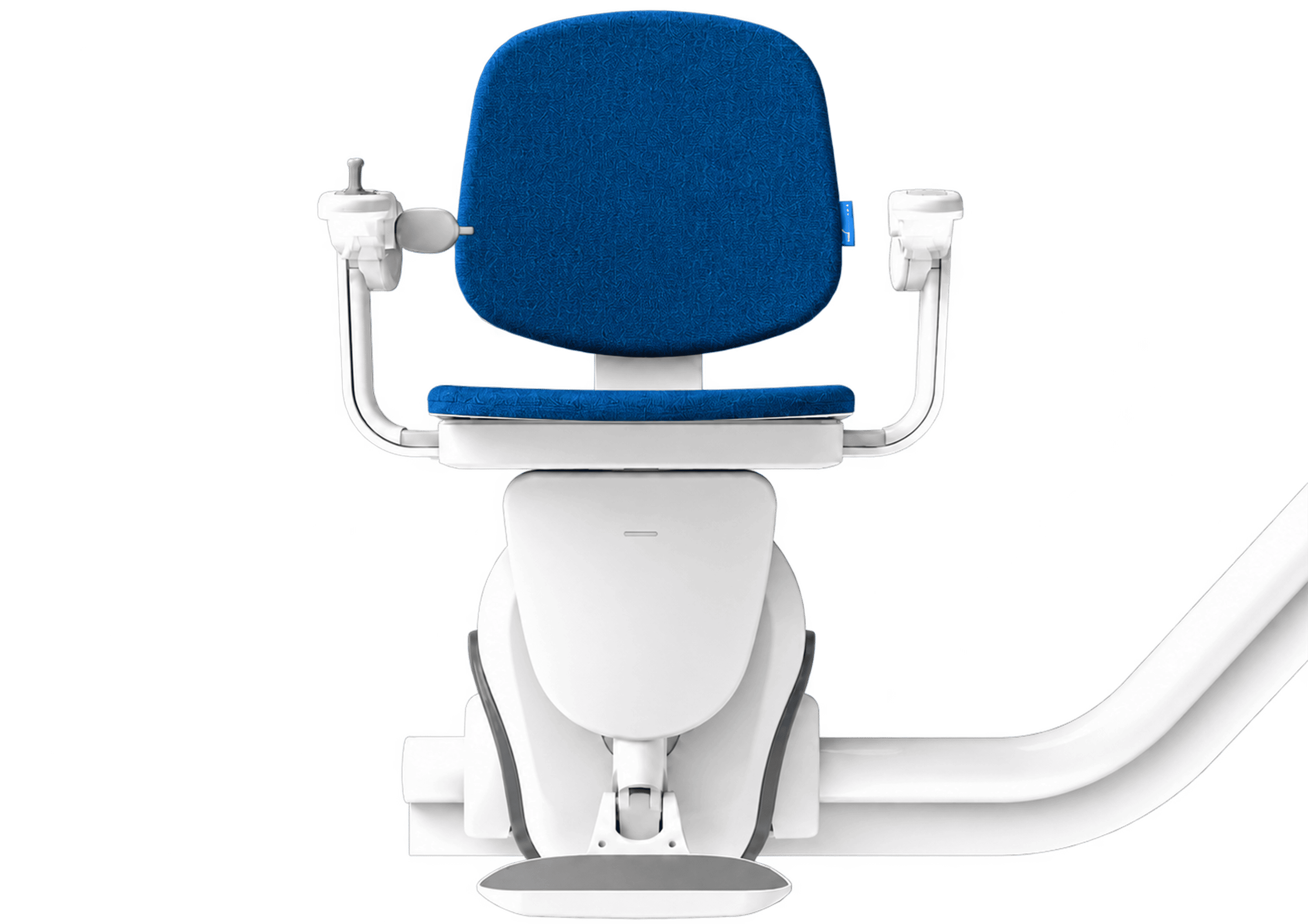
Image of the project

Integral design

One of the biggest challenges in stairlift design is accommodating a wide range of users, different types of homes and the needs of professional users such as installers and caregivers. To design such a complex product, that needs to be safe like a machine, requires an integral approach. From strategy phase to design for manufacturing: we designed with the user, installer and needs of our client Lehner in mind.
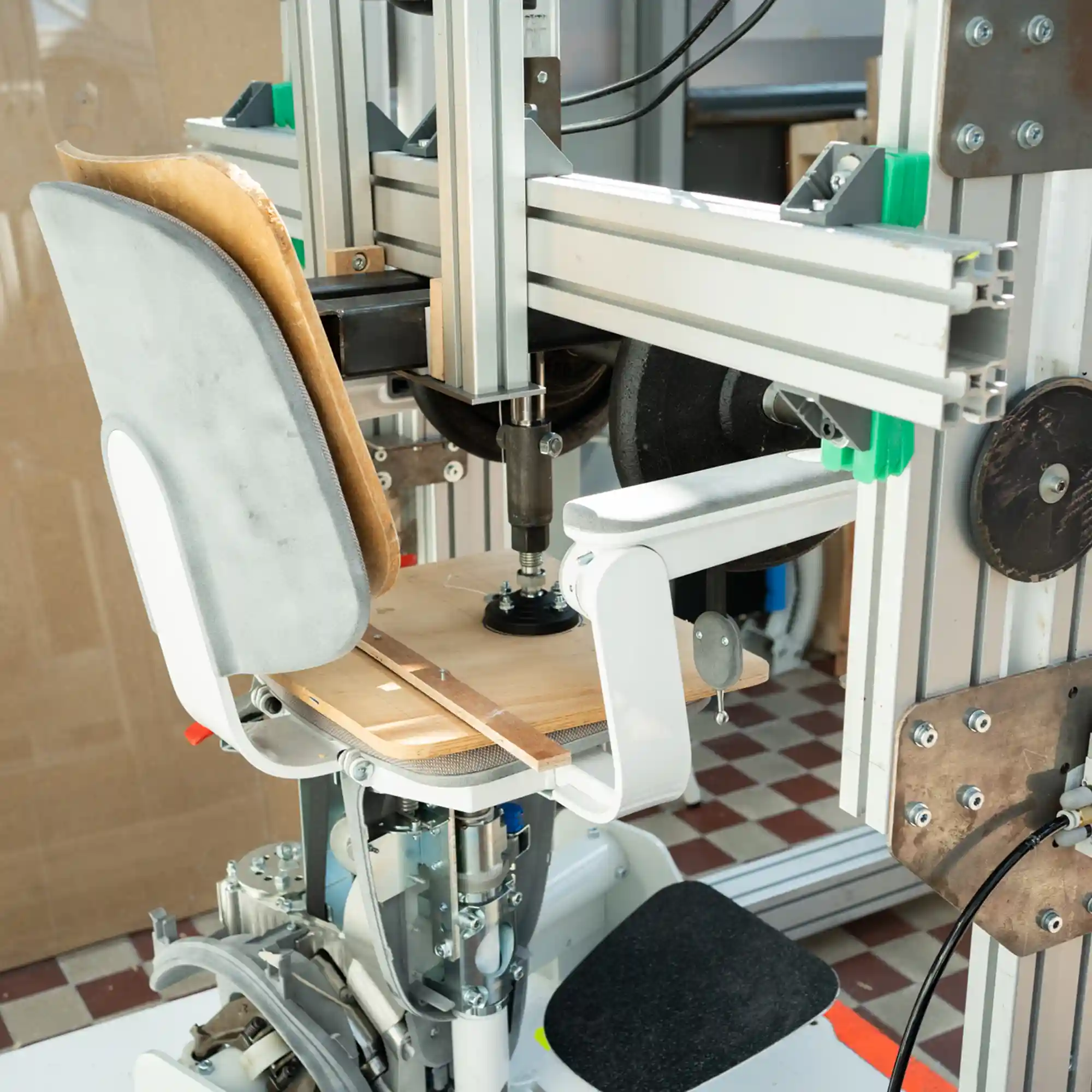
Image of the project
picture of the project

50,000 cycles

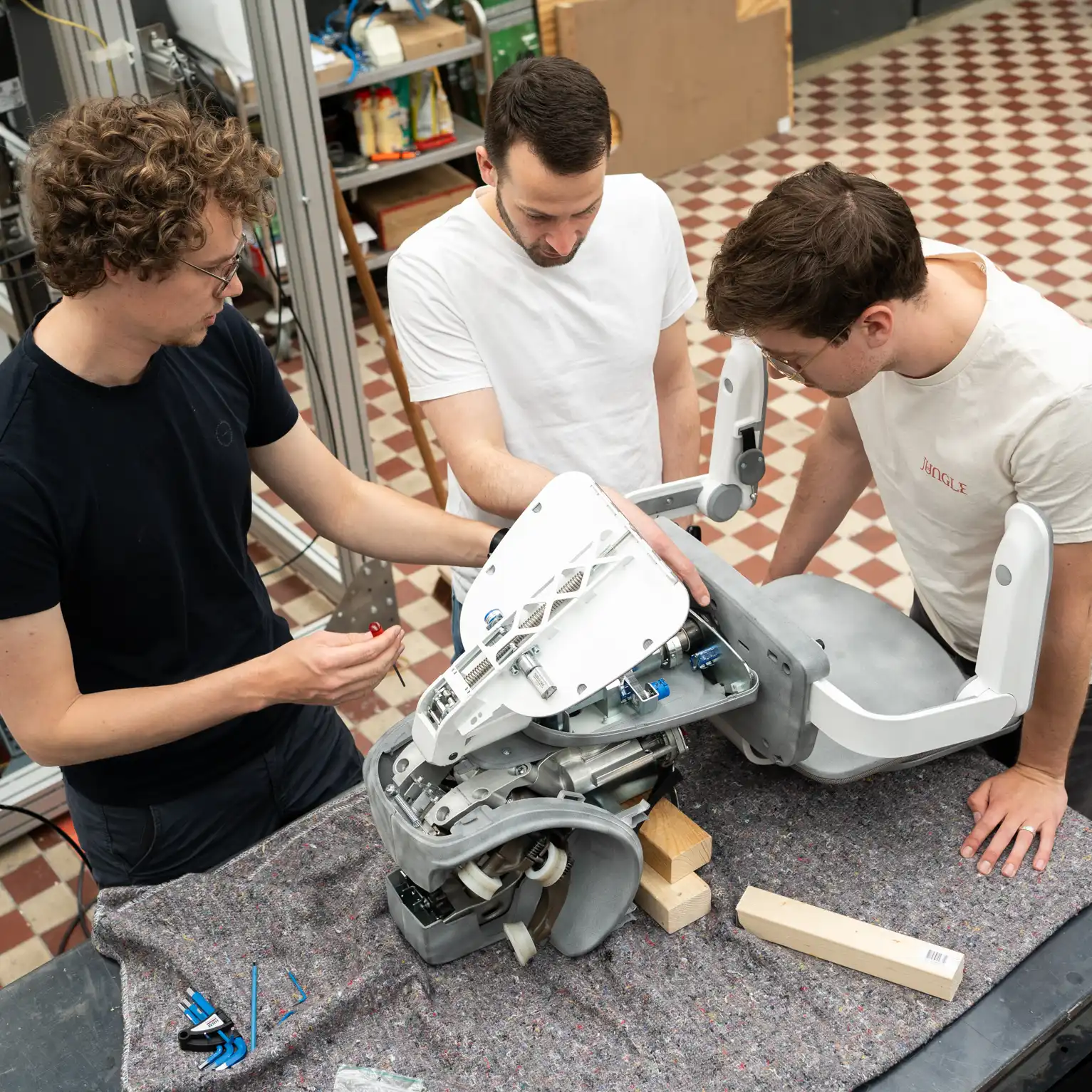
How do you make sure a stairlift is built to last? By testing it. 50,000 times, to be precise. Throughout the design process, we built and tested multiple prototypes. Each iteration helped us refine the design, validate our choices and reduce development risks.
‍

We defined the EUT, boundary conditions, test stops and load plan upfront, matching both the standards and real-world use. This reduced the test lead time from 4 to 2 weeks. Loads were applied through a closed-loop system and logged by the PLC, with a good old analogue counter as backup.

Smart choices

The NEO was designed for high-volume production, which meant making smart choices from the start. Besides being safe and appealing, a stairlift also needs to remain affordable for as many users as possible.


This called for production techniques suited to larger volumes, including injection moulding, high-pressure aluminium die casting and steel forging. To minimize the risk of tooling changes, we translated the DfM design into a, for load paths, equivalent prototype. This was used for both static, as dynamic load testing.

picture of the project
Image of the project
Picutre of the project

Combining strengths

Lehner brings over 30 years of knowledge and experience in stairlifts, while Altech is responsible for manufacturing and supplies stairlift systems across multiple countries. With so much expertise already involved, why bring in Spark?


Because innovation can also come from looking beyond your own industry. By combining Lehner's knowledge of stairlifts with Spark's experience across different industries and manufacturing technologies, we developed an innovative stairlift system that is safe, practical and built to last.

“We rocked the market with this new lift. Everybody from the industry came to see it. Dealers all but excited and competitors with long faces.”

—

Christian Lehner

,

Lehner Lifttechnik

Up next

Neem contact met ons op

Naam

Email

Bericht

Send

Thank you.

Your submission has been received. We will get back to you as soon as possible.
Oops! Something went wrong while submitting the form. Please try again.